"Energy supplement" covers three completely different things: correcting a deficiency, stimulating your nervous system, and supporting how your cells produce energy. They work on different timescales and suit different problems, and most marketing blurs them deliberately.
Here is the unblurred version, including where our own products sit.
First: the thing that beats all of them
If your fatigue is caused by iron deficiency, B12 deficiency, an underactive thyroid or sleep apnoea, no supplement on this page will fix it — and correcting the actual cause often produces a dramatic improvement that no energy blend can match.
That is why getting the right blood tests comes before any of this. We sell supplements and we would still rather you did that first.
Category 1: Correcting a deficiency
The highest-impact group by a wide margin — but only if you are actually deficient.
Iron. Transformative for genuine iron deficiency, and genuinely harmful in excess. Should follow a blood test and be monitored by your GP. We do not sell it, and this is why.
B12. Same logic. Real fatigue when low, especially on a plant-based diet or after 50.
Vitamin D. Widely low in Australia. Worth testing rather than guessing.
A multivitamin covers ordinary dietary gaps rather than a diagnosed deficiency — useful insurance, not a treatment. That is what Immuno 150 is for, and we say the same on its page.
Category 2: Stimulants
Fast, reliable, and borrowed rather than created — they mask tiredness rather than resolving it.
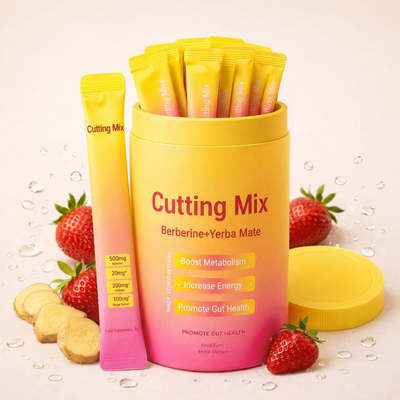
Caffeine blocks adenosine receptors so you stop feeling the sleepiness that is already there. The adenosine keeps accumulating, which is why the crash arrives later. Our yerba mate energy mix is a caffeine product and we label it as one. Yerba mate arrives alongside theobromine and polyphenols, which many people find gentler than coffee — but it is the same mechanism and the same evening cost if taken late.
Useful for a specific afternoon or a workout. Not a solution to being tired every day. See the afternoon slump for the timing detail.
Category 3: Blood flow and oxygen delivery
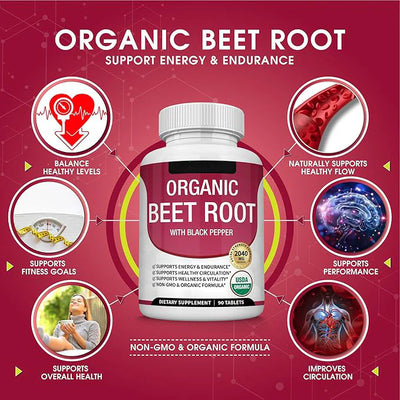
Beet root is the one with the strongest evidence base of anything in our range for a performance effect. Dietary nitrate converts to nitric oxide, which widens blood vessels and improves oxygen delivery to working muscle. It is one of the better-supported ergogenic aids in sports nutrition.
Two honest caveats. It works for exercise performance, which is not the same as making you feel less tired at your desk. And timing is not optional — two to three hours before training, or you largely waste it. Details on the beet root tablets page and in our complete guide to beet root.
Category 4: Cellular energy over the long run
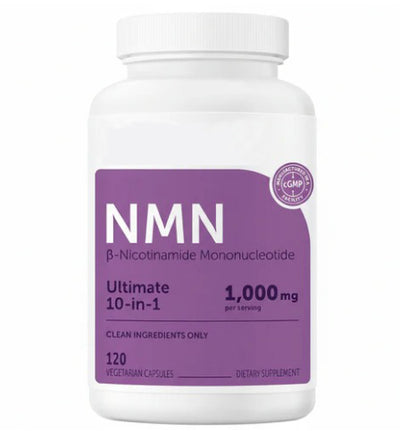
NMN is a precursor to NAD+, the coenzyme your mitochondria use to turn food into usable energy. NAD+ declines with age, which is the basis of the interest.
We are going to be blunt, as we are on the NMN product page itself: most people do not "feel" NMN. It is taken for what it does at a cellular level over months and years. If you want something for this Thursday afternoon, this is the wrong product, and anyone selling NMN as a same-day energy hit is overselling it. Background in NMN vs NAD+.
Category 5: The stress side
If your exhaustion is driven by sustained stress rather than sleep or nutrition, stimulants make it worse.
Adaptogens are the category here. Ashwagandha has research interest around the stress response; maca is used traditionally for stamina. Our maca and ashwagandha drops combine both, and they need four to six weeks of consistent use before a fair verdict — not a same-day effect.
What they are not is a treatment for "adrenal fatigue", which is not a recognised diagnosis. We explain why in is adrenal fatigue real.
Category 6: Fixing the sleep instead
Frequently the highest-yield intervention of all, and the least marketed as an energy product. If you are tired because you sleep badly, the answer is upstream. Our Sleep, Stress & Mood range supports a wind-down routine — it does not replace one, and it will not fix sleep apnoea.
What we would be sceptical of
- Proprietary "energy blends" that list ingredients without doses. If they will not tell you how much is in it, assume not much.
- Mega-dose B-complex marketed for energy. B vitamins are essential for energy metabolism, but taking large amounts when you are not deficient does not add energy — it adds expensive urine.
- Anything promising results in days for a problem you have had for months.
- Anything using "adrenal fatigue" as its selling point.
A sensible order
- Get the bloods done and correct anything found, with your GP.
- Fix sleep quality and the obvious lifestyle causes — see why am I always tired.
- Cover dietary gaps with a foundation: Daily Essentials.
- Then add something goal-specific from Longevity & Cellular Energy — beet root for training, NMN for the long game, yerba mate for a specific afternoon.
Most people who feel let down by energy supplements skipped straight to step four.
Who wrote this
Written by Daniel, founder of Nutritions Lab. We are a retailer, not a clinic.
This article tells you that the highest-impact options are a blood test we do not sell and better sleep we cannot bottle, and that our flagship longevity product will probably not make you feel anything. We think that is the accurate ranking, and a customer who buys the right thing for the right reason is worth more to us than one who buys the wrong thing once.
Our approach is set out in our editorial policy.
General information only, not medical advice. Supplements are not intended to diagnose, treat, cure or prevent any disease. Do not supplement iron without a confirmed deficiency and medical guidance.