Multivitamins are everywhere — and also one of the most debated supplements, with plenty of conflicting advice about whether most people even need one. Here's a practical, no-hype breakdown.
Do You Actually Need a Multivitamin?
The honest answer: it depends on your diet and lifestyle. A multivitamin is best thought of as a nutritional safety net, not a replacement for eating a varied diet. Nutrition research consistently frames multivitamins as most useful for filling specific dietary gaps rather than as a general necessity for everyone, a view echoed by registered dietitians and public health nutrition guidance. People with restricted diets, high stress levels, limited food variety, or specific dietary patterns (like plant-based eating) are often the ones who benefit most from filling nutritional gaps this way.
Plant-Based vs. Traditional Multivitamins
Traditional multivitamins sometimes use nutrient forms or capsule materials derived from animal sources (like gelatin capsules or certain forms of vitamin D3). Plant-based multivitamins are formulated to avoid these, using vegan-friendly capsules and plant- or lab-derived nutrient forms instead — useful if you follow a vegan or vegetarian diet, or simply prefer to avoid animal-derived ingredients.
What to Look for in a Quality Multivitamin
Nutrient Forms & Bioavailability
Not all forms of a given vitamin or mineral are absorbed equally well. Look for labels that specify the actual form used (for example, methylcobalamin vs. cyanocobalamin for B12) rather than just listing the nutrient name.
Third-Party Ingredient Transparency
A clear, fully disclosed ingredient list (rather than a vague "proprietary blend") lets you actually see what you're taking and in what amount.
Dietary Fit (Vegan/Vegetarian)
If avoiding animal-derived ingredients matters to you, check specifically for a plant-based or vegan label rather than assuming.
Who Benefits Most From a Multivitamin?
- People following restrictive or limited diets
- People with higher nutritional needs due to lifestyle, training, or life stage
- Anyone whose diet doesn't consistently include a wide variety of fruits, vegetables, and whole foods
How to Take a Daily Multivitamin
Most multivitamins are designed as a simple once-daily serving, often taken with food to support absorption of fat-soluble vitamins. Check your specific product's instructions for timing.
Safety & Things to Know
A multivitamin is meant to complement a balanced diet, not replace one. Avoid exceeding the recommended daily serving, and check with your doctor before starting a new multivitamin if you're pregnant, nursing, on medication, or managing a health condition — some nutrients can interact with certain medications at high doses.
Frequently Asked Questions
Can I take a multivitamin with other supplements?
Generally yes, but check for overlapping nutrients across your full supplement stack to avoid exceeding recommended amounts of any single vitamin or mineral.
Is a plant-based multivitamin less effective?
Not inherently — what matters most is the specific nutrient forms and doses used, not whether the source is plant-based or synthetic.
What's the best time of day to take it?
Many people take multivitamins with breakfast or their largest meal of the day, since some vitamins absorb better with food.
The Bottom Line
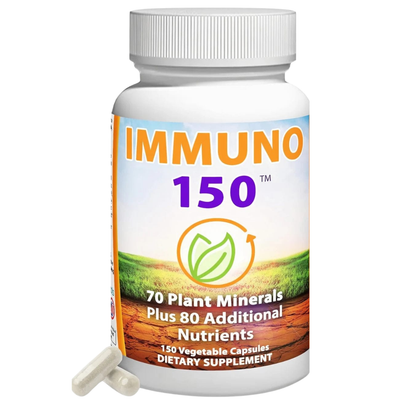
A good multivitamin is a simple, low-effort way to help cover nutritional bases — our Immuno 150 Plant-Based Multivitamin is formulated as a straightforward one-a-day option for anyone who wants a vegan-friendly formula.
This article is for general information only and is not medical advice. This product is a dietary supplement and is not intended to diagnose, treat, cure, or prevent any disease. Consult your healthcare provider before use.